Crafting Enchanting Fairy Tale Illustrations
The Heart of Fairy Tale Illustration
Fairy tale illustration is more than just creating pretty pictures; it’s about breathing life into imagination and weaving visual narratives that captivate young minds. The core purpose is to translate the magic of a story into a visual language that resonates deeply with children, fostering their sense of wonder and curiosity. It requires a delicate balance between artistic skill and an understanding of child psychology.
This art form acts as a vital bridge, connecting a child’s imagination to the written word. A well-executed illustration can make abstract concepts tangible, guide a young reader through complex emotions, and make characters feel like personal friends. It’s about creating worlds that children long to visit and characters they eagerly anticipate meeting on the next page.
The audience for fairy tale art is primarily children, but also the adults who select and share these stories with them. Therefore, illustrations must appeal on multiple levels, offering visual delight and clear storytelling for the child, while also possessing artistic merit and emotional depth that adults can appreciate. This dual appeal is a hallmark of truly successful fairy tale art.
Cultivating Your Distinctive Fairy Tale Art Style
Developing a unique style in fairy tale illustration is a journey of exploration and personal expression, not a race to mimic others. It begins with understanding your own artistic inclinations and identifying what kind of worlds and characters you are naturally drawn to depicting. Consider the artists who first sparked your imagination, perhaps the whimsical lines of Beatrix Potter or the expressive, bold strokes of Quentin Blake, and analyze what elements of their work speak to you.
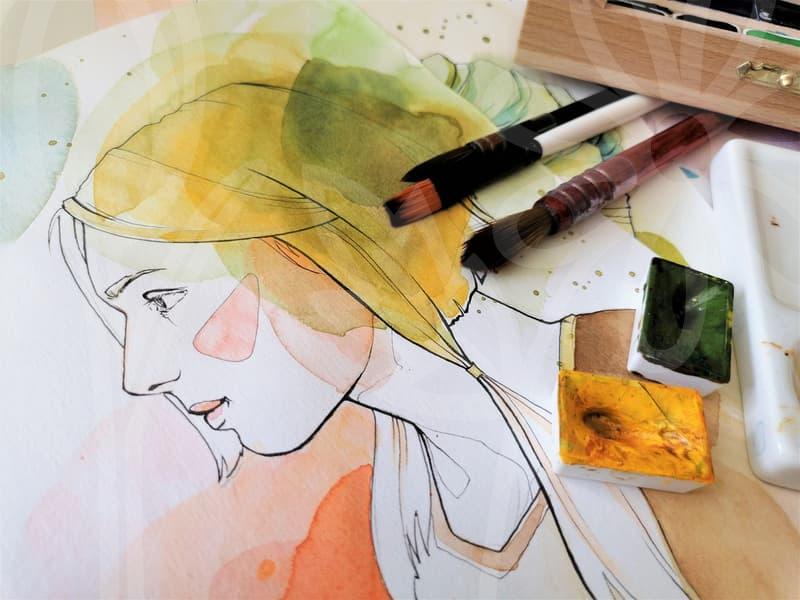
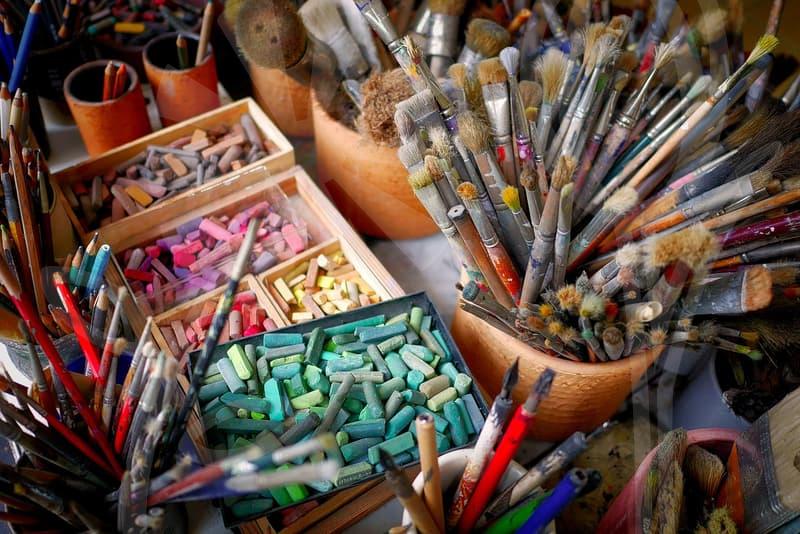
Experimentation is key. Dive into various mediums, whether it’s the tactile warmth of watercolors, the vibrant possibilities of digital painting, or even the playful textures of colored pencils. Each medium offers a different way to translate your ideas onto the page. For instance, the slightly imperfect, hand-drawn feel often achieved with traditional tools can lend an authentic, approachable charm that digital art sometimes struggles to replicate without deliberate effort.
Don’t be afraid to blend influences. The most memorable styles often arise from a thoughtful combination of different artistic traditions and personal experiences. Think about how artists like Gyo Fujikawa blended Western and Eastern aesthetics to create universally appealing characters. The goal isn’t to be entirely original, but to synthesize your inspirations into something that feels authentic and uniquely yours, reflecting your practical approach to visual problem-solving.
Visual Storytelling Essentials for Fairy Tales
At the heart of compelling fairy tale illustration lies effective visual storytelling, a skill that goes beyond mere rendering. It involves using every element on the page to advance the narrative and evoke specific emotions. Character design is paramount; each figure should possess a distinct personality conveyed through their posture, facial expressions, and even their clothing. A hero might stand tall with open arms, while a hesitant character might be drawn with hunched shoulders and averted eyes.
Environment plays an equally crucial role. The setting isn’t just a backdrop; it’s an active participant in the story. A dark, twisted forest can amplify a sense of danger, while a sun-drenched meadow might suggest safety and joy. Employing techniques like leading lines, which naturally guide the viewer’s eye towards the focal point, ensures the narrative flows smoothly. For example, a winding path can lead the reader directly to a hidden magical object or a character’s crucial moment.
Color is a powerful tool in conveying mood and reinforcing the story’s themes. Warm palettes—reds, oranges, yellows—often create feelings of comfort, excitement, or urgency, suitable for joyful or adventurous scenes. Conversely, cooler tones—blues, greens, purples—can evoke mystery, tranquility, or sadness, perfect for moments of quiet contemplation or suspense. Understanding this color psychology helps in making deliberate choices that enhance the emotional impact, ensuring your illustration is not just seen but felt.
Navigating Common Hurdles in Fairy Tale Art
Creating fairy tale illustrations often involves navigating specific challenges that can hinder their effectiveness if not addressed. One common pitfall is designing characters that are overly complex or visually busy, which can overwhelm young readers. Children need clear, recognizable figures to connect with; intricate details can distract from the core emotion or action. For instance, a character with too many accessories or a confusing silhouette might be difficult for a child to remember or identify consistently.
Another frequent issue is neglecting the emotional arc of the story in favor of technical polish. While a beautifully rendered image is important, it must serve the narrative. If a scene is supposed to be suspenseful, but the illustration looks cheerful and bright, the intended impact is lost. A client once rejected a piece with the feedback, “The characters don’t convey enough emotion for the story’s target age group, despite the excellent rendering of their costumes.” This highlights the need to prioritize emotional resonance and narrative clarity.
The trade-off here is between artistic flair and functional clarity. Over-stylization can sometimes undermine accessibility, especially for picture books intended for very young audiences. It’s a constant balance to strike: how to make the art engaging and unique without sacrificing the story’s readability and the characters’ expressiveness. This practical consideration often guides the final decisions in the editing process.
Practicalities of Fairy Tale Illustration Projects
Embarking on a fairy tale illustration project, whether as a creator or a client, requires a structured approach to ensure successful outcomes. For clients commissioning work, a clear brief is indispensable. This document should detail the story’s plot, target age group, desired mood, and provide visual references for style, color palettes, and character archetypes. Vague instructions lead to wasted time and revisions, so specificity is valued by professionals aiming for efficiency.
For illustrators, meticulously understanding the client’s brief is the first step. Once the initial concepts are developed, typically involving character sketches and key scene compositions, a revision process begins. It’s common to allocate 2-3 rounds of revisions to refine the artwork. A typical picture book project, from initial concept to final delivery, can reasonably take between three to six months, depending on the complexity, number of illustrations, and revision cycles.
The practical reality is that many fairy tale illustrations are created for children’s books. Therefore, the illustrator must consider print production, ensuring colors translate well from screen to paper and that linework is suitable for printing processes. Understanding these logistical aspects ensures that the beautiful artwork envisioned can be effectively produced and enjoyed by its intended audience.
The Real Value and Alternatives in Fairy Tale Art
The true benefit of mastering fairy tale illustration lies in its power to shape young imaginations and create lasting emotional connections through art. It’s a rewarding path for those who possess empathy and a natural inclination for storytelling. However, it’s important to acknowledge the specific demands of this niche. Creating consistently innocent and wondrous imagery requires a particular mindset and a sustained connection to themes of childhood, which may not appeal to every artist.
An alternative to purely whimsical fairy tale illustration could be a more stylized, graphic approach, perhaps leaning towards modern editorial illustration or even bold comic book styles, which often cater to older audiences or different narrative tones. While these styles offer creative freedom, they might not achieve the same gentle, immersive effect that classic fairy tale art provides for younger children. The choice depends on the specific narrative goals and the intended audience’s expectations.
Ultimately, who benefits most from understanding these principles? It’s the aspiring illustrators seeking to break into the children’s book market, and the authors or publishers looking to create books that truly resonate. For those interested in the visual trends, exploring contemporary children’s book illustrators online can offer insights into current styles and demands. Remember, the most impactful fairy tale illustrations are those where art and narrative merge seamlessly, creating a cohesive, magical experience. This approach might not be suitable for projects requiring a purely educational or documentary style, where realism takes precedence over fantasy.