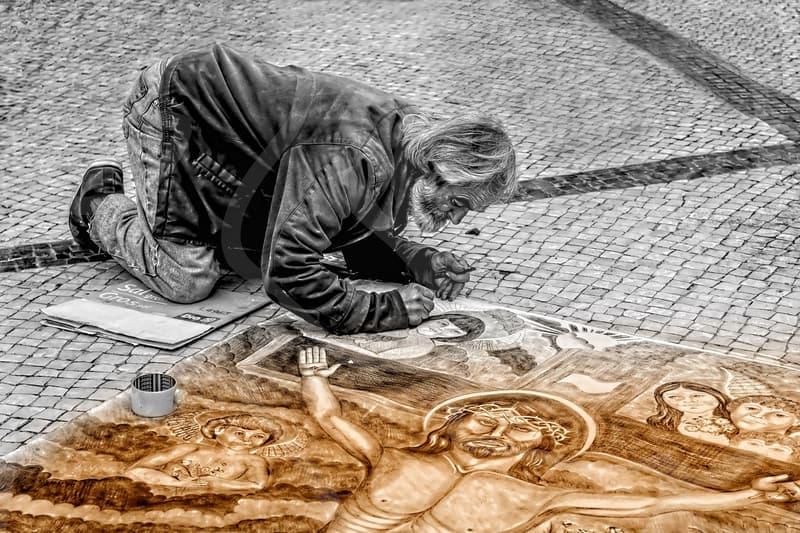
Drawing Sketch for Visual Content
Sketching Core Techniques
Drawing sketch begins with observation and deliberate simplification. Start by identifying major planes and volumes, then translate them with confident lines. Practice quick gesture sketches to capture movement and rhythm. Use light construction lines to map proportions before committing to detail.
Experiment with different grip styles and pencil pressures to vary line weight. A sketch gains life when the edges are not uniformly dark; let some lines fade to suggest distance. Contrast is built through what you omit as much as what you reveal. This approach invites you to compare quick gestures with refined contours.
Warm up with timed 30 second studies to loosen the hand and sharpen perception. Use a simple subject to practice proportion and rhythm before tackling complex scenes. Keep a small notebook for rapid studies during breaks to build a continuous habit.
Line and Shape in Sketch
Line and shape define the most immediate impression in a drawing sketch. Practice using long, confident strokes to map major landmarks on the page. Compare contour lines with cross contour to understand form in perspective. Shape vocabulary should progress from simple to complex as you gain control.
Use negative space to reveal relationships between objects and to sharpen boundary clarity. Vary line weight to guide the viewer’s gaze and imply distance. Regularly switch between thick outlines and delicate internal lines to maintain visual balance.
A daily drill could involve tracing over silhouettes and then reimagining them with simplified geometry. From there, translate those abstractions back into expressive sketches that retain legibility. Regular practice reveals how minor tweaks in line direction alter mood.
Color in Drawing Sketch
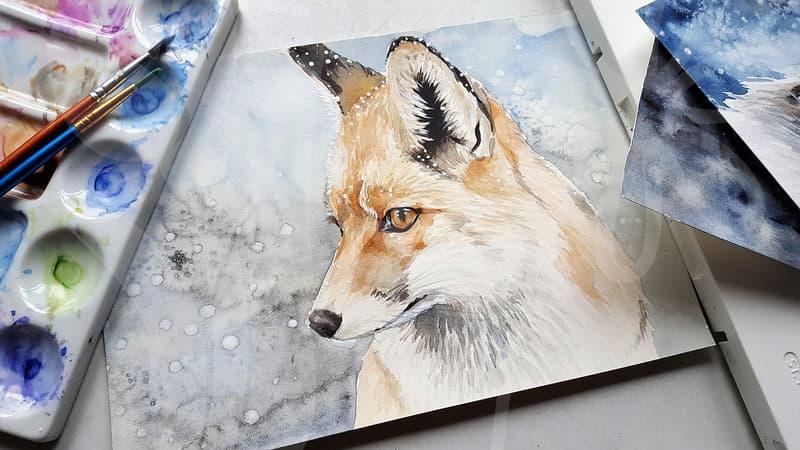
Color adds mood and depth to a drawing sketch without overwhelming the core lines. Start with a limited palette to keep harmony and control. Test warm and cool contrasts by applying color in flat washes before refining edges. Layer color gradually to build atmosphere while preserving sketchy energy.
Watercolor or gouache can simulate natural light, but even color pencils offer rich tonal variety. Observe how color temperature shifts perception of distance and materials. Avoid over saturating areas meant to recede.
A small color study of a landscape can translate to urban textures by noting, for example, street surfaces, sky, and foliage hues. Use color sparingly to keep the sketch legible and authentic. Remember that color is a tool for narrative, not decoration.
Practical Sketch Projects
Turn routine scenes into engaging sketch projects that reinforce technique. Create a weekly city stroll where you capture a handful of vignettes in a single page. Use quick studies to compose a travelogue-like sequence that reads clearly. Treat each page as a diary of light, form, and gesture.
Arrange projects around themes such as street corners, interiors, or landscapes with seasonal changes. Document a location across different times of day to study shifting shadows. Compare early and late studies to identify growth.
Archive your sketches with short notes on materials, settings, and decisions. Review the collection periodically to map your progress and set new goals. A practical habit is to repurpose a sketch into an illustration by refining only the essential lines. This process keeps your practice focused and measurable.