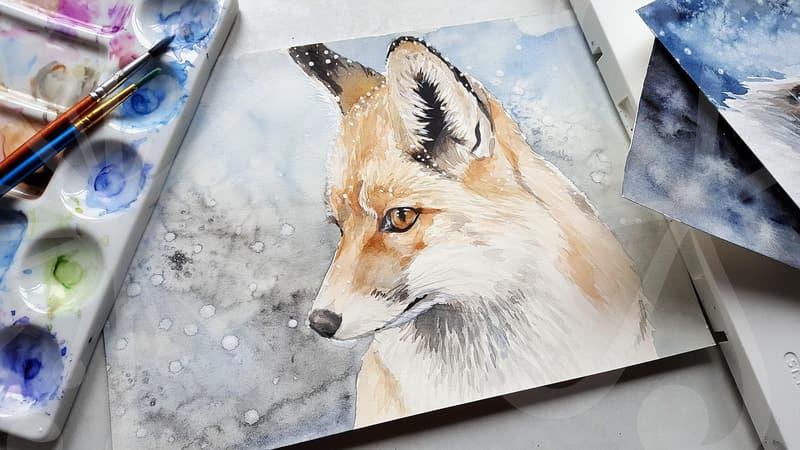
Color palettes for bold visuals
Color Palette Basics
A color palette is a deliberate selection of colors used across visual content to create cohesion. It acts as a map for design decisions, guiding how hues relate and how information reads. When you define a palette, you set rules for brightness, saturation, and temperature. This foundation shapes every frame, from illustration to layout.
Begin by identifying the mood you want to convey and choosing a base color that embodies that mood. Add harmonious neighbors on the color wheel for unity, or introduce a contrasting hue to create emphasis. Record chosen values, saturations, and accessibility considerations in a quick reference sheet. Your palette becomes a language readers recognize instantly.
Think of palette making as layer planning for a scene. A base color anchors the composition, while supporting colors build depth. Variation in lightness and saturation helps separate foreground from background. This discipline keeps visuals readable across devices and scales.
Harmonious Schemes
Harmonious schemes rely on relationships between colors. Analogous palettes use neighboring hues for calm scenes, while complementary sets pair opposite colors for visual punch. Triadic arrangements mix three evenly spaced colors for balance with energy. Each scheme serves different genres, from fairy tale illustration to character design.
To build harmony, pick a dominant color and then test two or three supporting colors with varying saturation. Check contrast to ensure readability, especially on mobile screens. Adjust lightness to simulate different lighting conditions like dawn or dusk. The right harmony supports narrative without distracting the eye.
A practical approach is to draft a quick palette using a base color and two or three accents, then iterate by swapping tones while preserving relationships. This process reveals how small changes influence mood and focus. You may keep a neutral base to ensure versatility across scenes. The practice becomes instinct with time, much like choosing accessories for an outfit.
Palette for Illustrations
Illustration relies on palettes that support storytelling across subjects and emotions. For people illustrations, ensure skin tones, hair, and clothing coexist with natural diversity while remaining cohesive. For fantasy scenes, palettes can bend realism through subtle shifts in saturation and glow. The key is to avoid color clashes that jar the reader from the narrative.
Consider wardrobe and setting when selecting colors. A forest scene benefits from greens with earthy browns, while a nighttime scene leads into blues with a warm light accent. Use color to guide focus toward faces and expressions, not away from them. Palette choices should align with character arcs and environmental dynamics.
Experiment with limited palettes to reveal how storytelling can rely on hue alone. A restricted set forces exploration of value and texture to differentiate objects. Contrast and shading can compensate when color is sparse, if planned well. The practice trains the eye for balance and depth.
Accessibility and Mood
Mood is conveyed by the tone of the palette, but accessibility ensures everyone can perceive it. High contrast between foreground elements and backgrounds helps readers with visual impairments. Use at least a 4.5:1 contrast for body text and 3:1 for decorative elements. Check colorblind-friendly pairings and luminance differences to maintain legibility.
Beyond contrast, consider color semantics and cultural associations that affect interpretation. A warm palette may feel inviting, while a cool palette can imply calm or melancholy. Mood shifts can be achieved by adjusting saturation and brightness rather than introducing new hues. These moves keep style consistent while expanding expressive range.
Testing across devices reveals how ambient lighting changes perception. What looks harmonious on a studio monitor might appear muddy on a phone outdoors. Build a reusable swatch library and document rules for when to tweak the palette. The aim is resilient visuals that transmit mood clearly.
Color Theory in Practice
Color theory provides practical rules you can apply without sacrificing creativity. Start with a base hue and map relationships using harmony rules as guardrails. Complementary pairs offer emphasis for focal points like eyes or important objects. Analogous clusters support gentle transitions through scenes.
Value and saturation are as important as hue. A single color with varied lightness can carry a narrative through time of day or character development. Desaturating a background while keeping a character saturated can pull attention precisely where needed. Experiment with color grading to simulate cinematic mood without altering composition.
Storyboarding with color involves planning a sequence of palettes for progression. A calm opening palette can evolve into a more energetic set as tension rises. Decide early which hues will represent characters and which will denote settings. This proactive planning reduces revisions and keeps the concept aligned.